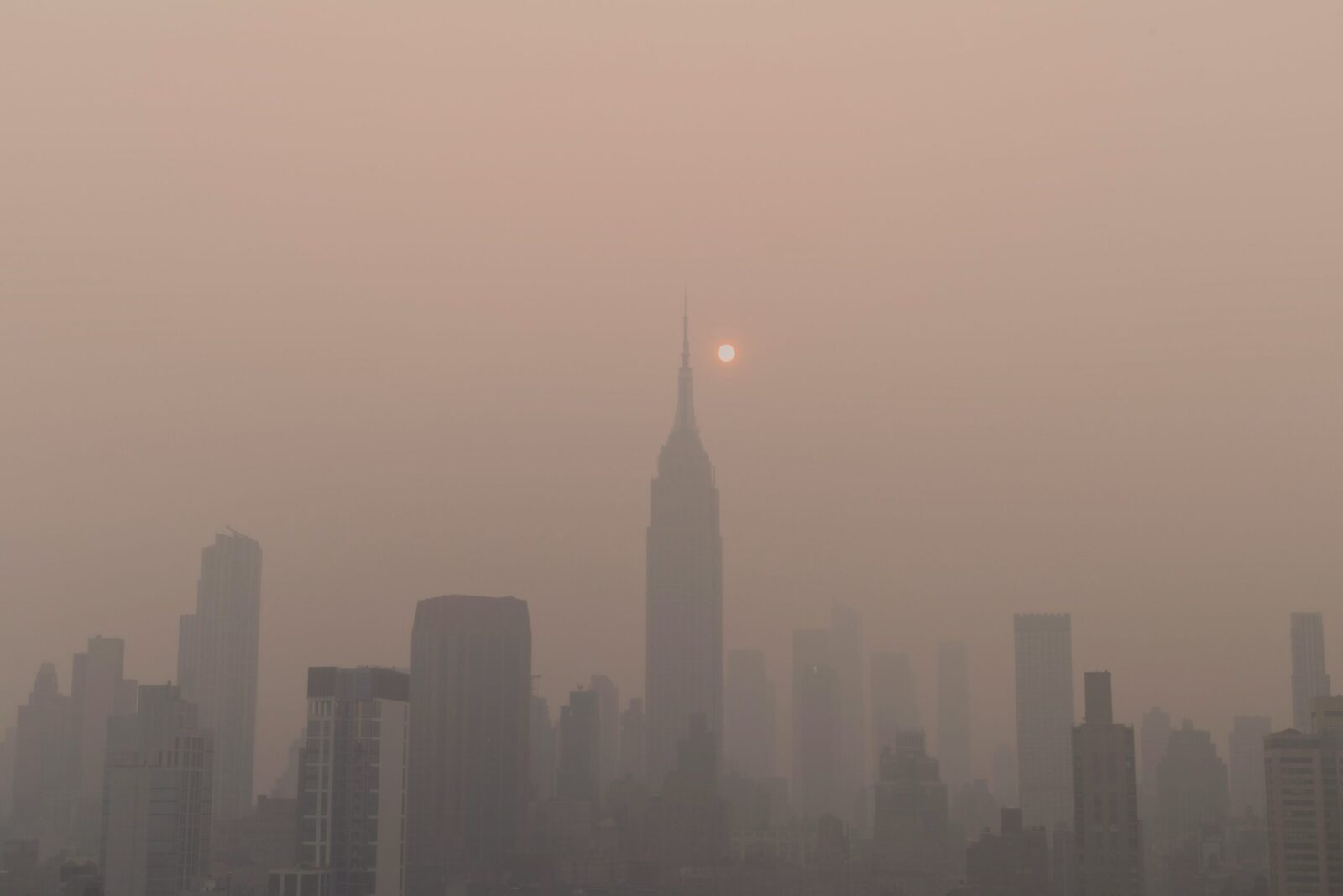
In Ely, Minnesota, last week, the Air Quality Index (AQI) hit 797.5, nearly triple the threshold for “hazardous,” and the highest reading the state has ever recorded. State climatologists are calling it the most intense wildfire smoke event Minnesota has seen in at least half a century. Minnesota is not alone. Hazardous AQI readings were recorded across more than a dozen states, from the Great Lakes to the Eastern Seaboard, as smoke blew south from fires in Canada and northern Minnesota. These extreme smoke events are arriving just as the agencies that study what’s in that smoke and how to protect against it are being dismantled.
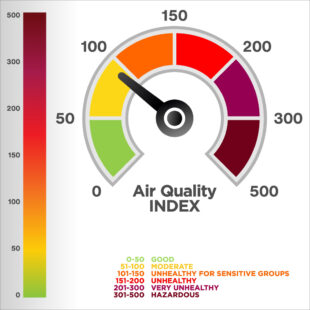
Air Quality Index
At the Environmental Protection Agency, the administration has all but dissolved the Office of Research and Development, the unit that spent more than a decade studying the health effects of wildfire smoke exposure. As of January 2025, agency scientists there were still tracking the toxic metals, including copper, lead, and zinc, that show up in smoke, according to the office’s own research briefing book. The office also ran one of the only labs in the world where volunteers breathed in wildfire smoke under controlled conditions so researchers could monitor them for chest pain and respiratory inflammation. That lab closed last summer.
Displaced scientists have been folded into a new unit reporting directly to EPA Administrator Lee Zeldin, an arrangement critics say opens the door to political interference in what should be independent science. The agency disputes that its research has slowed, and points to two public tools, the Air Quality Index and AirNow’s Fire and Smoke Map, as evidence its smoke monitoring continues.
As part of the same reorganization that’s moving the Forest Service headquarters from Washington to Salt Lake City, the administration has proposed shuttering 57 of the agency’s 77 research labs, three of every four. Among the labs on the chopping block: a Seattle facility that built the real-time smoke-tracking maps firefighters and local governments actually use during a fire, and a Wenatchee, Washington, lab that studies when and where to set controlled burns to cut wildfire risk and restore habitat. John Winn, a spokesman for the Forest Service, said in an email that no final decision has been made and that scientists would simply be reassigned if their labs close.
The closure of labs has immediate on-the-ground consequences, since these are many of the labs that tell firefighters where smoke is going and land managers when it’s safe to light a prescribed burn. Without this guidance, land managers are left without the critical information they need to make safe, informed decisions. It’s a legal requirement under the National Environmental Policy Act, the National Forest Management Act, and the Endangered Species Act that federal agencies employ the best available science when making decisions, a requirement that will be challenging to satisfy once three-quarters of the agency’s research capacity is gone.
Photo: Wildfire smoke in New York City (photo by Ahmer Kalam).