by FSEEE | Feb 16, 2026 | Briefly, Fire Truth
Strategically-planted strips of fire-resistant vegetation show promise for mitigating the spread of fire, especially near structures in the built environment. Known as “green firebreaks,” this use of fire-resistant vegetation to protect homes from wildfires offers a...

by FSEEE | Feb 12, 2026 | Briefly, Fire Truth
The Pasadena, California, City Council recently approved a plan to use sustainable goat grazing for wildfire mitigation in the Arroyo Seco. Carlos Javelera of the West Pasadena Residents Association said the Association “supports the exploration and use of sustainable...
by FSEEE | Feb 9, 2026 | Briefly, Fire Truth
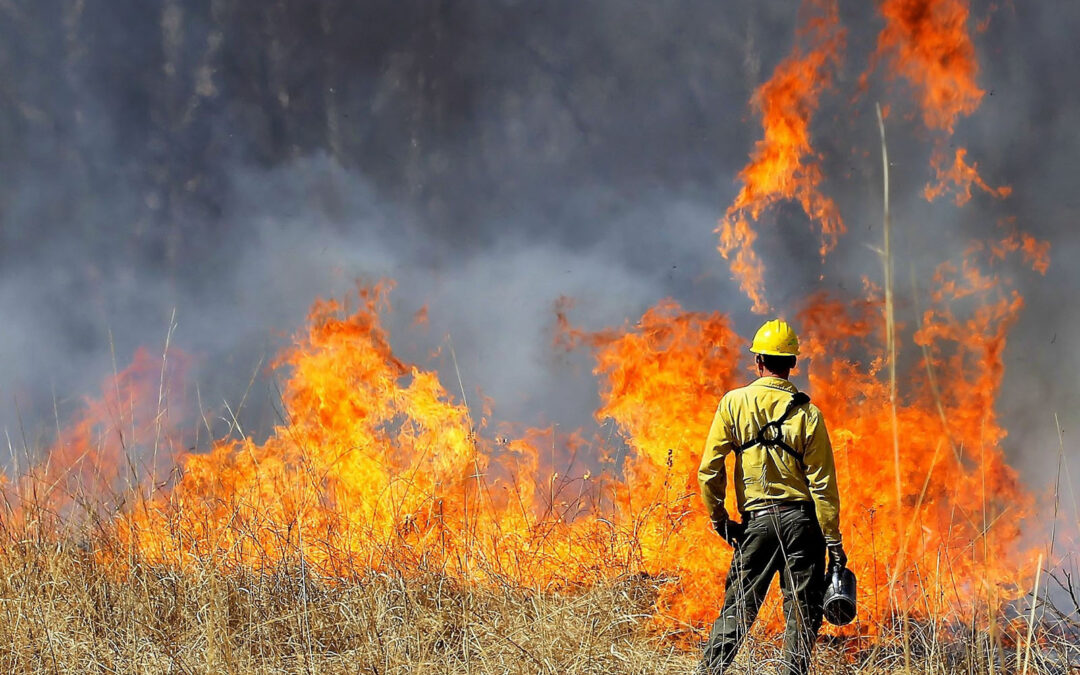
The Sierra and Sequoia national forests released a finding of no significant impact (FONSI) for the Sequoia and Sierra national forests to implement an ambitious prescribed fire project. A Department of Agriculture press release indicates, “The project aims to reduce...
by FSEEE | Feb 2, 2026 | In the News, Dispatch, Fire Truth
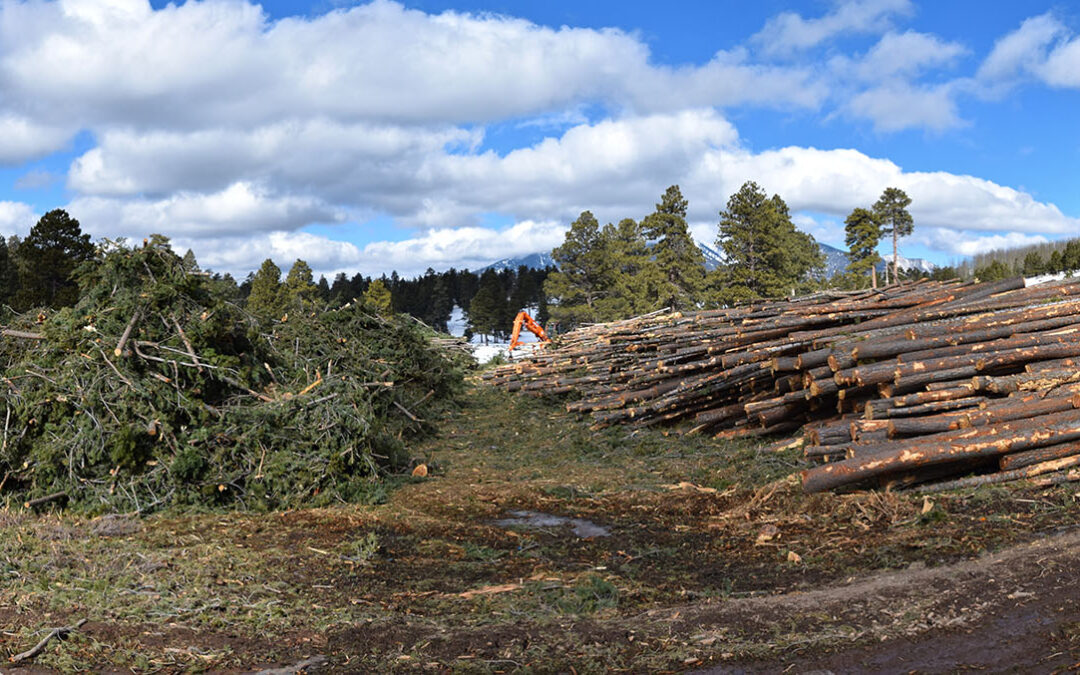
Judge Michael McShane, chief judge for the U.S. District Court of Oregon, struck down a 34-year-old environmental-law exemption used for wildfire logging. As reported by Alex Baumhardt for the Oregon Capital Chronicle, McShane’s ruling reversed recent Forest...
by FSEEE | Jan 24, 2026 | In the News
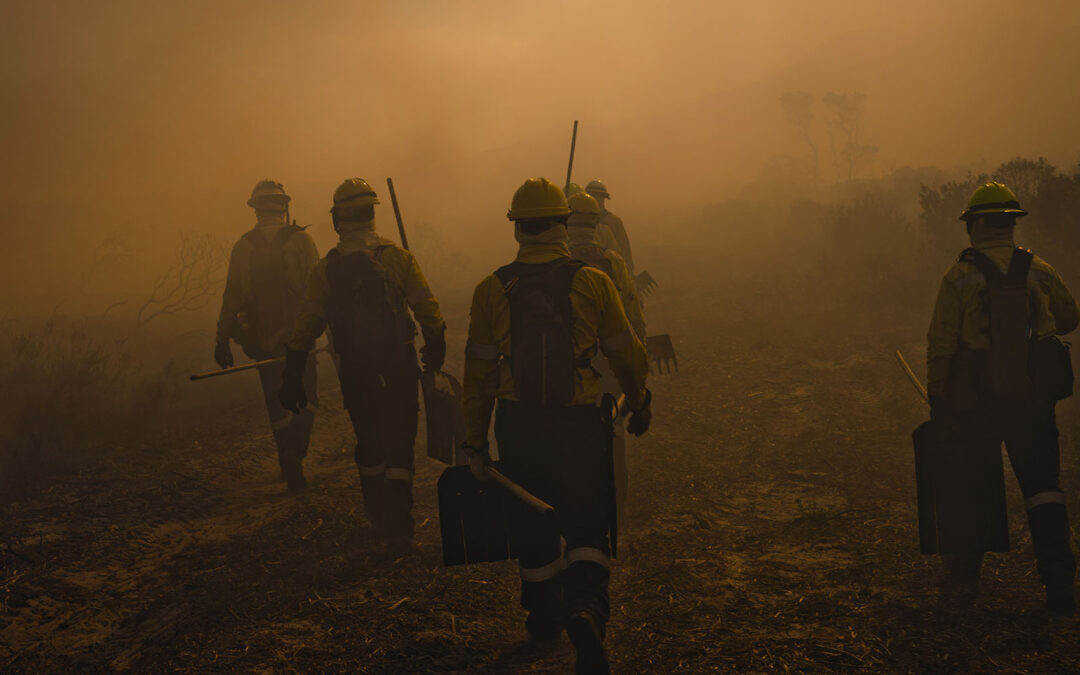
Congress provides no funding for new agency. The Department of the Interior recently announced the next steps in establishing the U.S. Wildland Fire Service and named Brian Fennessy to lead the new agency, even though the final version of the Congressional...
by FSEEE | Jan 22, 2026 | Action Alert
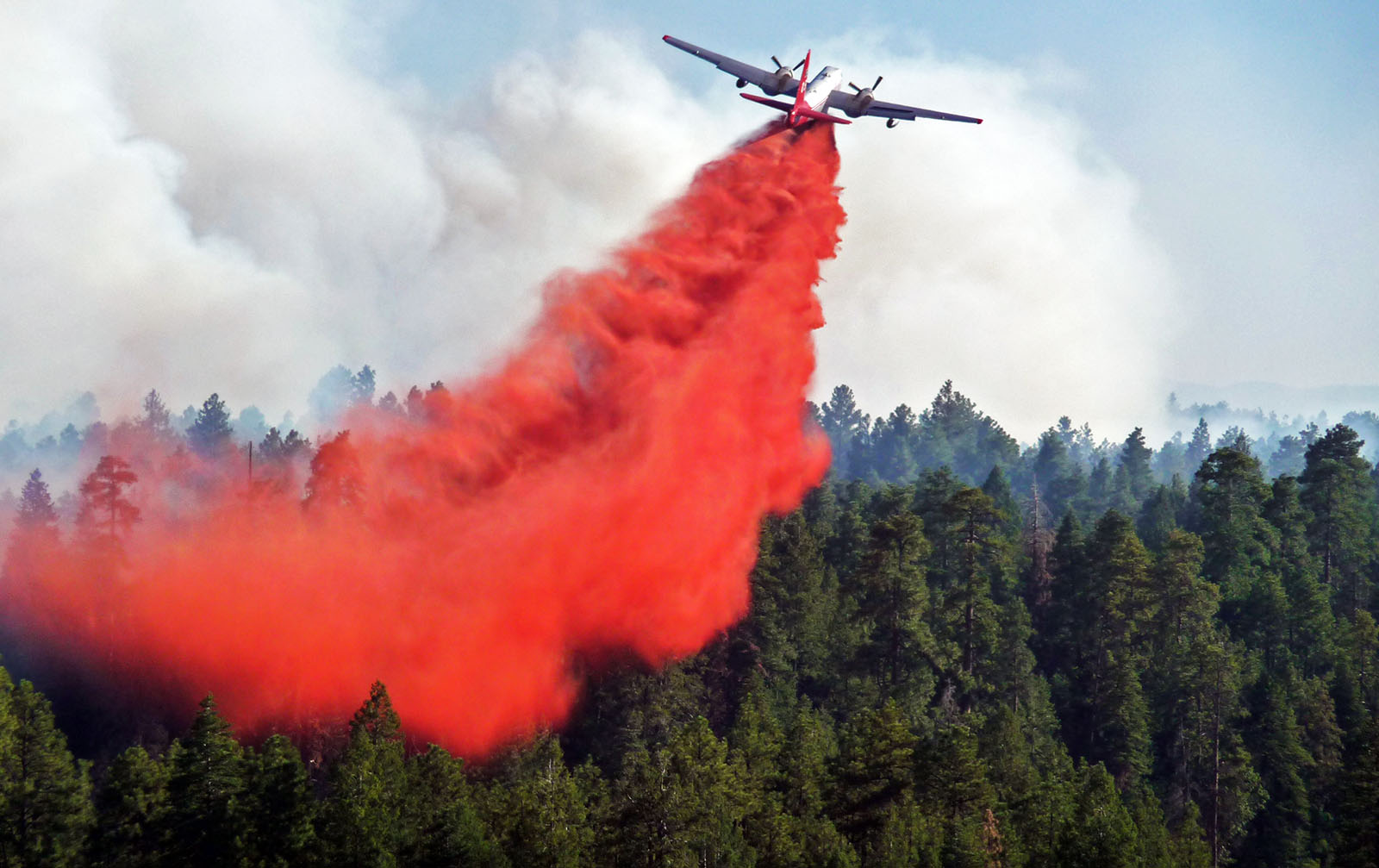
The Senate Committee on Environment and Public Works will hold a hearing on the bill that would exempt toxic aerial fire retardant from the Clean Water Act on Wednesday, Jan. 28. This is a significant hearing that will directly impact the progress of this bill. We...

by FSEEE | Jan 19, 2026 | Featured Forest
The administrative history of the Mount Baker-Snoqualmie National Forest is complex, including large multi-million acre forest reserves created in the late 1800s that were parceled in the 1900s into national parks (North Cascades and Rainier) and national forests (Mt....

by FSEEE | Jan 12, 2026 | Dispatch, Community Fire Resilience
The Healthy Forests Restoration Act of 2003 (HFRA) establishes a legal framework ostensibly designed to protect communities and watersheds from catastrophic wildfire. The legislation authorizes “hazardous fuels reduction projects” across National Forest and BLM lands....
by FSEEE | Jan 5, 2026 | Dispatch, Fire Truth
During New Mexico’s largest-ever wildfire — the 2022 Hermits Peak/Calf Canyon Fire, slurry bombers made nearly 2,500 retardant drops, primarily Phos-Chek, to combat the blaze. Phos-Chek is the bright red fire retardant featured on news reels to convey a visually...
by FSEEE | Dec 20, 2025 | Action Alert
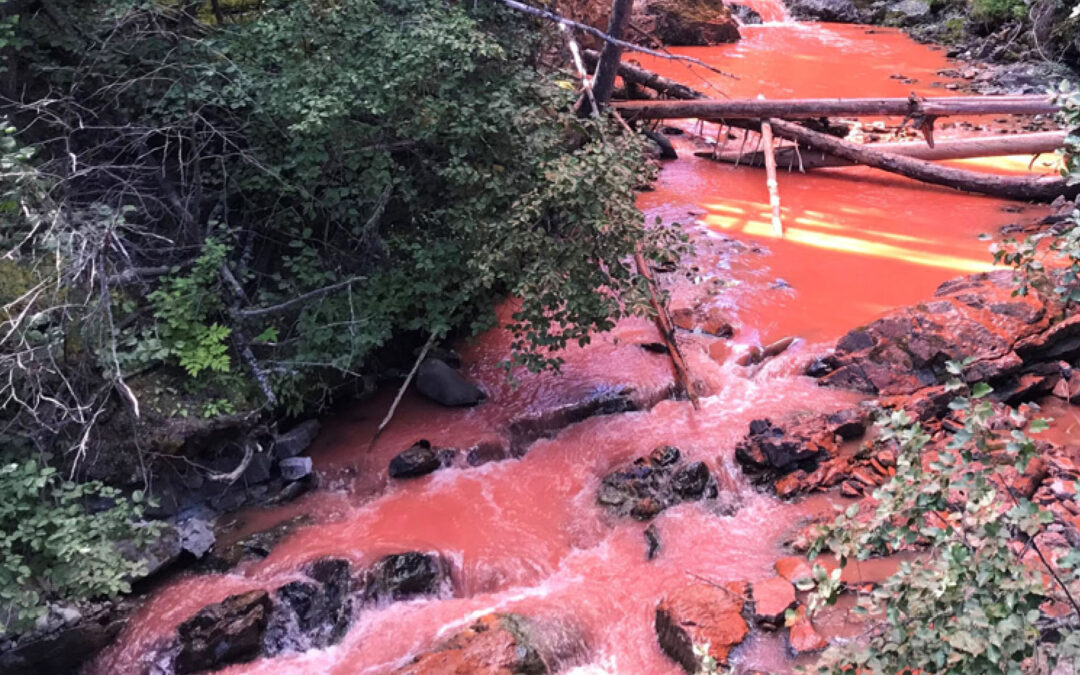
The fire retardant lobby wants Congress to amend the Clean Water Act to allow unregulated toxic heavy metal pollutants in fire retardant to be dumped into our nation’s streams and rivers. Most of our nation’s drinking water supplies come from these water sources. If...