by FSEEE | Sep 4, 2025 | Briefly, Fire Truth
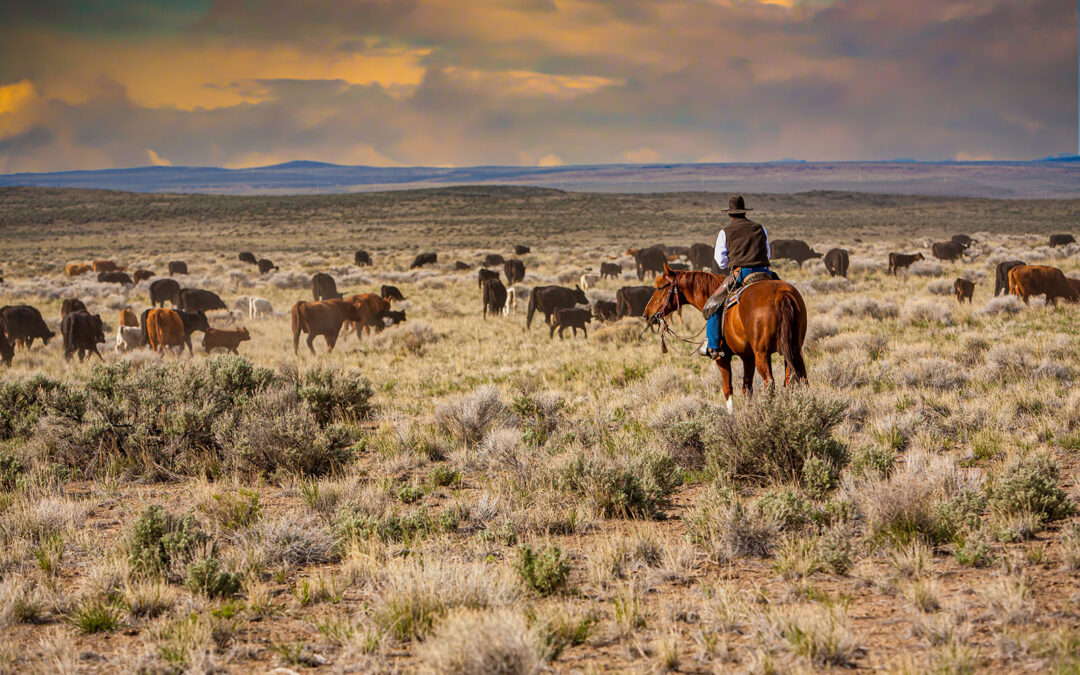
Regarded as “one of the most significant ecological crises facing land managers in the arid West,” invasive cheatgrass has increased fire frequency in the Great Basin from once every 30-70 years to every 3-10 years. As Aldo Leopold observes in A Sand County Almanac,...
by FSEEE | Aug 28, 2025 | Briefly
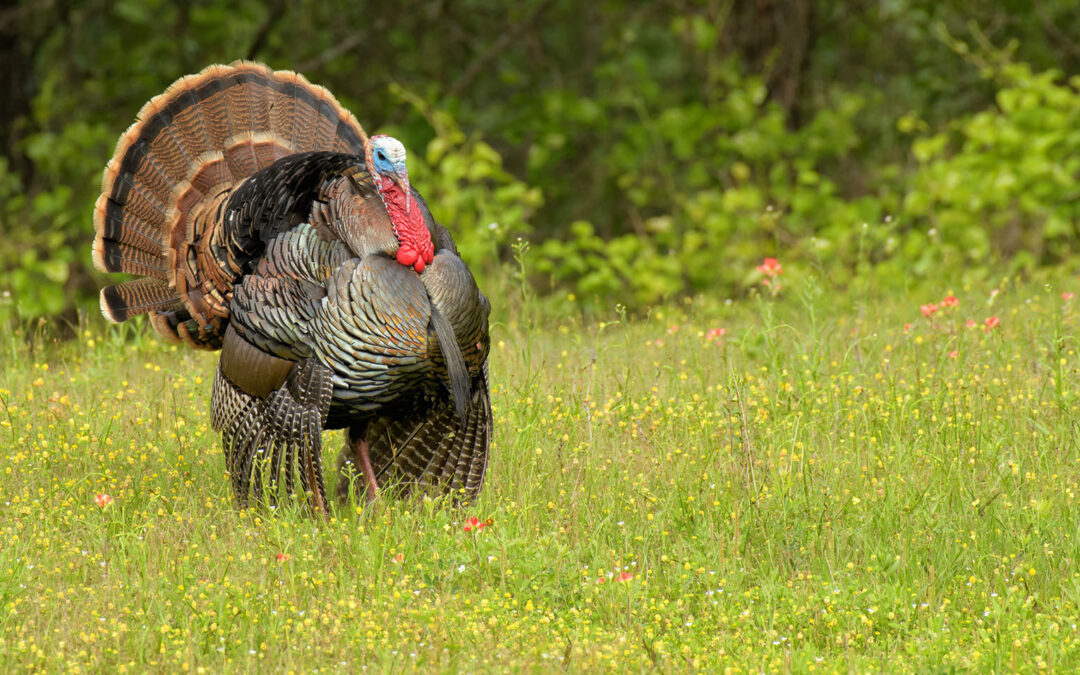
As reported by The Colorado Sun, wild turkeys are thriving in the eastern half of Colorado to the point of becoming a nuisance in towns and cities. Merriam’s turkeys are native to the foothills and mountains of Colorado, but the population explosion is occurring among...
by FSEEE | Aug 24, 2025 | Briefly, Fire Truth
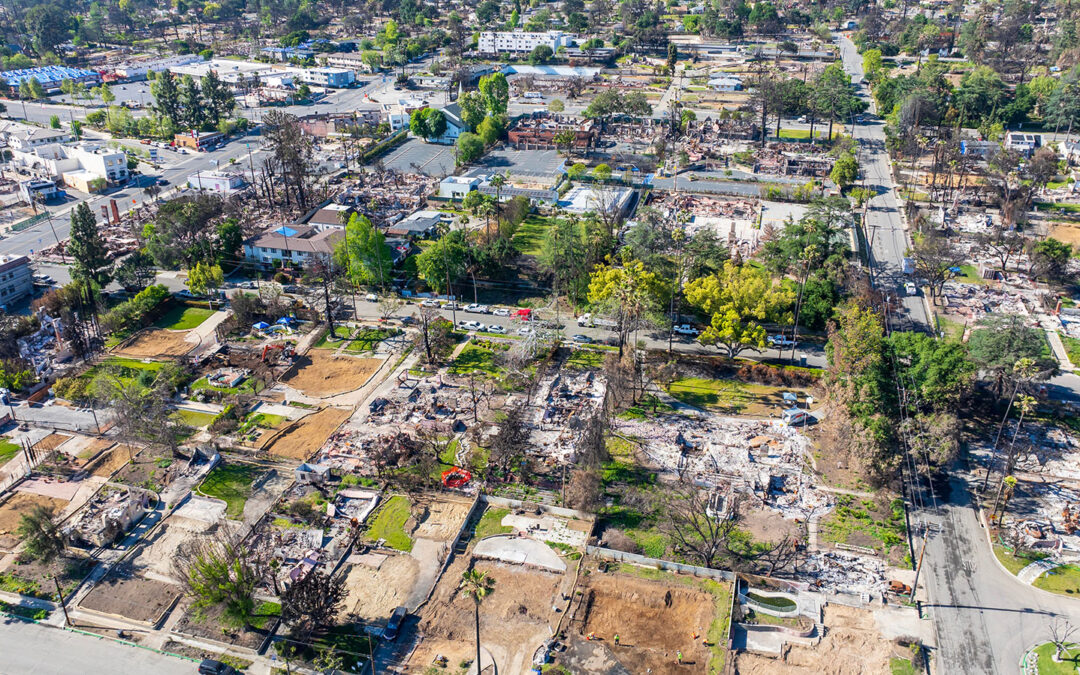
Researchers Max Moritz and Luca Carmignani have penned an article raising concerns about a California plan to ban plants within 5 feet of homes for wildfire safety. “As scientists who study how vegetation ignites and burns, we recognize that well-maintained plants and...
by FSEEE | May 11, 2025 | Briefly, Fire Truth
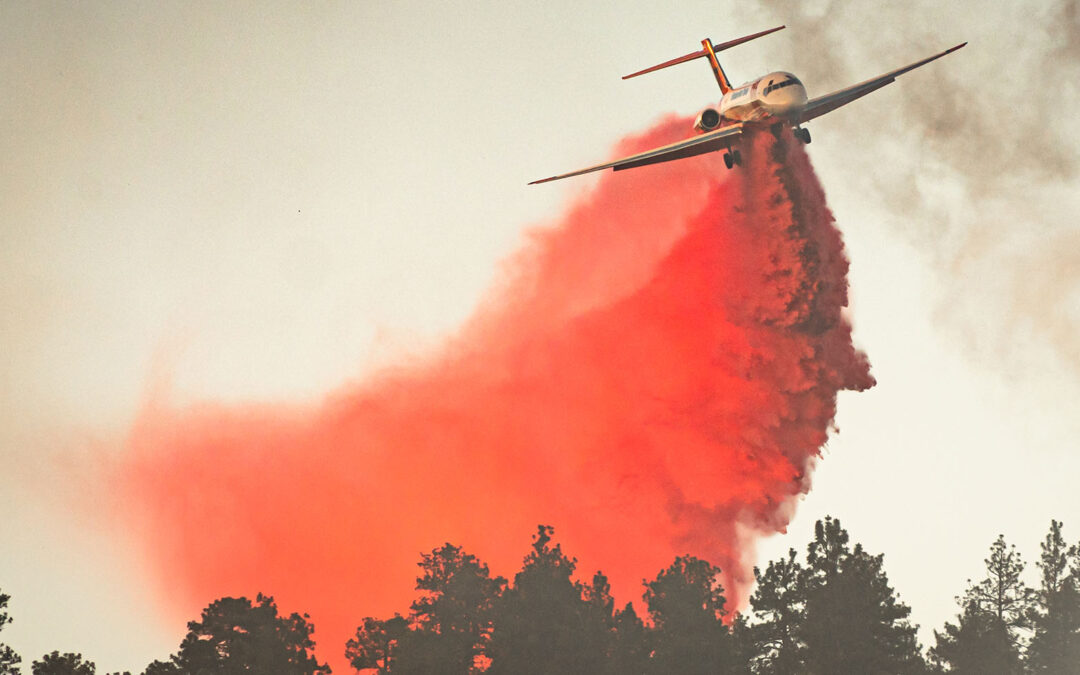
Forest Service Employees for Environmental Ethics filed another federal lawsuit against the U.S. Forest Service over the agency’s use of aerial fire retardant on May 7. In this latest complaint, FSEEE alleges that the Forest Service’s use of fire retardant...
by FSEEE | Apr 30, 2025 | Briefly
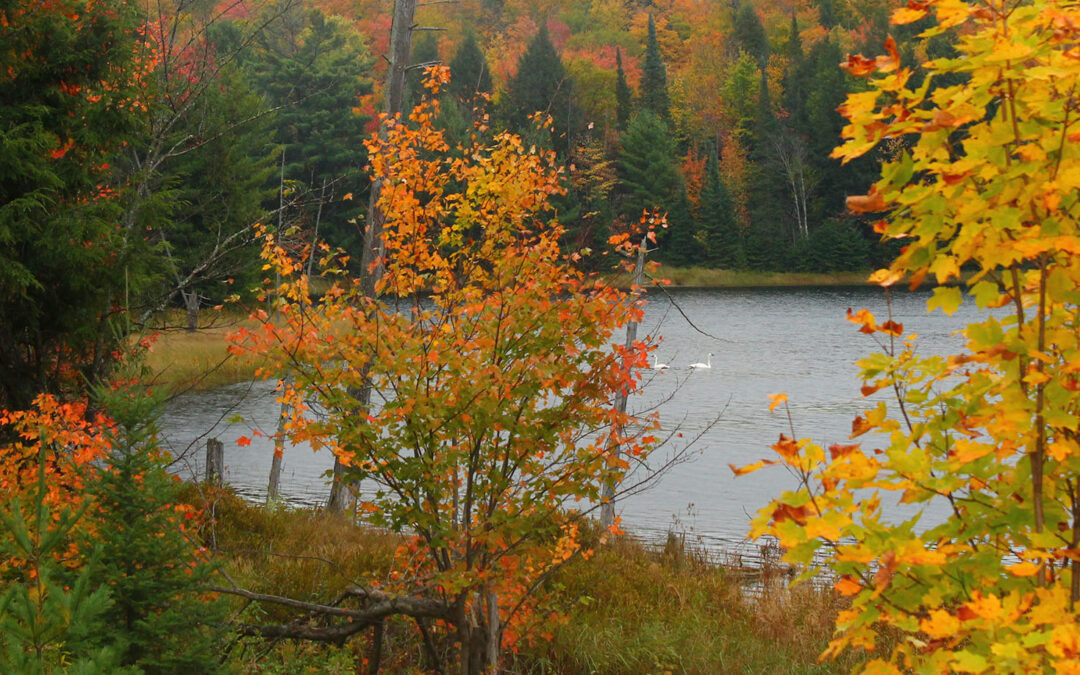
Various studies have shown that forests act as a buffer to climate extremes, creating micro-climates that support forest resilience and biodiversity. The authors of a new study, “Tree Diversity Increases Forest Temperature Buffering via Enhancing Canopy Density and...