
Ground Truth Blog

Project 2025: What is the Plan for Public Lands?
Mandate for Leadership: The Conservative Promise is the pro-Trump playbook produced as the centerpiece of the Heritage Foundation’s Project 2025 agenda. The 920-page manifesto lays out a plan “to address and reform the failings of big government and an undemocratic...
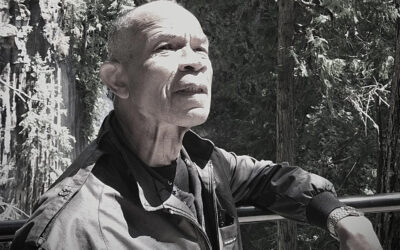
In Memoriam: Carroll B. Williams Jr., Forest Service Pioneer
Caroll Burns Williams Jr., who died March 1 at the age of 94, was the first African American scientist hired by the Forest Service. He was also the first African American to earn a doctorate in forestry and entomology and one of the first African American faculty...
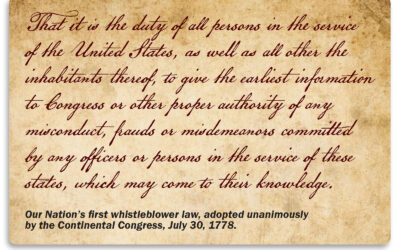
National Whistleblower Day
In 1989, Forest Service timber sale planner Jeff DeBonis took the words of the Continental Congress to heart when he penned and distributed an open letter to Forest Service Chief F. Dale Robertson. Jeff called for an end to over-cutting our national forests. “We have...
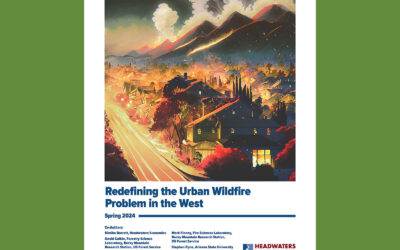
‘Redefining the Urban Wildfire Problem in the West’
A recent report published by Headwaters Economics addresses the increasing risks to communities in wildfire-prone areas. The authors characterize current efforts to control wildfire as “ineffective” and “costly.” Fundamentally, the current paradigm is “inconsistent”...
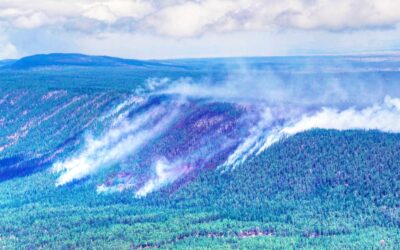
Fire Escapes Containment; Retardant Proves Ineffective
The Darlene 3 Fire started Tuesday, June 25, a mile from the town of La Pine, Oregon, near Bend. Writing for the Capital Press, Morgan Owen and Michael Kohn reported that firefighters responded quickly, establishing “a full perimeter line around the fire Tuesday...
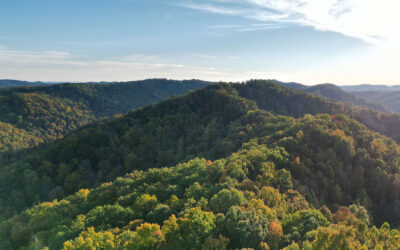
Save the Jellico Old-Growth Forest
Using an outdated management plan, the Forest Service is set to approve a timber grab on the Daniel Boone National Forest. Please call USDA Deputy Undersecretary of Agriculture Meryl Harrell and urge her to protect Kentucky’s Jellico Old-Growth Forest. Call...
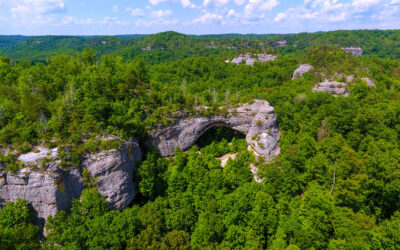
Daniel Boone National Forest
Encompassing a section of the Cumberland Mountains in eastern Kentucky, the 708,000-acre Daniel Boone National Forest features some of the most rugged terrain between the nearby Appalachian Mountains and the Rocky Mountains on the far side of the Great Plains....
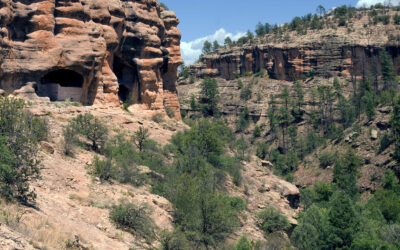
Gila National Forest
The Gila National Forest in New Mexico is home to Earth’s first wilderness area, established by the Forest Service 100 years ago today and 40 years before the Wilderness Act was signed into law. Aldo Leopold, a Forest Service supervisor working in New Mexico at the...
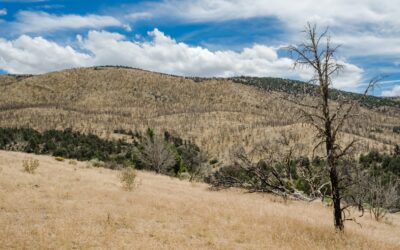
Cheatgrass
'One of the most significant ecological crises facing land managers in the arid West' A report published in January, Cheatgrass Invasions: History, Causes, Consequences, and Solutions, by Western Watershed Projects is the source of the above quote. Authored by Erik...
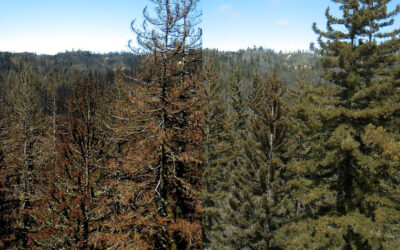
Burned Redwoods Recover From 2020 Fire
In August 2020, the CZU Lightning Complex fire burned through Big Basin Redwoods State Park near Santa Cruz, California, consuming all of the foliage on some of the oldest redwoods. “It was shocking.... It really seemed like most of the trees were going to die,” Drew...
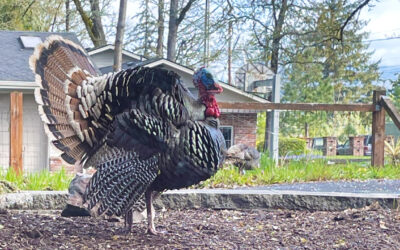
Why Federal Tax Dollars are Funding the National Wild Turkey Federation
March 13, the National Wild Turkey Federation crowed about its “new Participating Agreement with the USDA Forest Service, marking a significant step in bolstering efforts to continue the great work that is being accomplished.” The press release gushed about the...
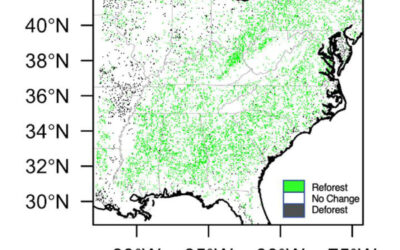
Reforestation Contributes to Cooling Temperatures
Researchers have shown that reforestation in the southeastern U.S. has had a cooling effect on the region. The findings of Mallory Barnes and her associates are documented in a Feb. 13 research article in Earth’s Future, published by the American Geophysical Union....