As reported by The Colorado Sun, wild turkeys are thriving in the eastern half of Colorado to the point of becoming a nuisance in towns and cities. Merriam’s turkeys are native to the foothills and mountains of Colorado, but the population explosion is occurring among Rio Grande turkeys, a species introduced to the Colorado plains in the 1980s by the Colorado Division of Wildlife (now Colorado Parks and Wildlife, or CPW).
The introduction campaign was aggressive, and CPW now says the turkeys are “overabundant,” allowing the agency to sell more and more hunting licenses. Sales of hunting and fishing licenses provide 55% of CPW’s annual revenue. This reliance on hunting license sales has skewed policy decisions at the agency, which now masticates centuries-old piñon trees in the name of habitat improvement for elk and deer, which attract hunters from across the country.
According to “Consequences of Pinyon and Juniper Woodland Reduction for Wildlife in North America,” “Most investigators found either non-significant or negative responses to tree removal by mule deer and elk.” Additionally, Removal of piñon-juniper forest increases fire risk by inviting cheatgrass incursion.
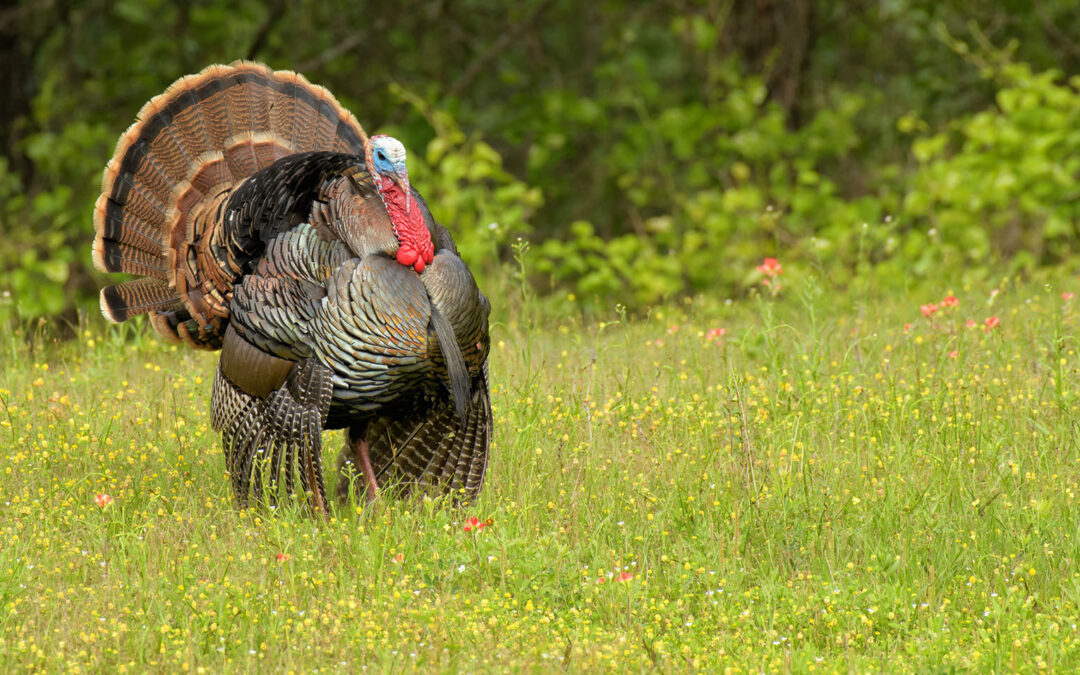
Photo: A Rio Grande turkey fans its tail feathers. The non-native species, introduced in Colorado by the Colorado Division of Wildlife, has become overpopulated.